
Johns Manville Attic Insulation: The San Jose Owner’s Guide
If you have Johns Manville attic insulation that’s underperforming, we stock and install Johns Manville-compatible fiberglass batts and blown-in loose-fill right here in San Jose, with most installations priced between $1,400 and $3,800 depending on attic size and current R-value. We carry Johns Manville material on our trucks and can typically complete a full attic insulation replacement same day. Most San Jose homeowners discover their insulation has failed when they notice a utility bill spike in July or a bedroom that never quite cools down, even with the AC running. You walk up into the attic, take a look, and see batts that have slumped, shifted, or turned dark from dust and moisture. That’s when it’s time to call someone who actually knows Johns Manville product.
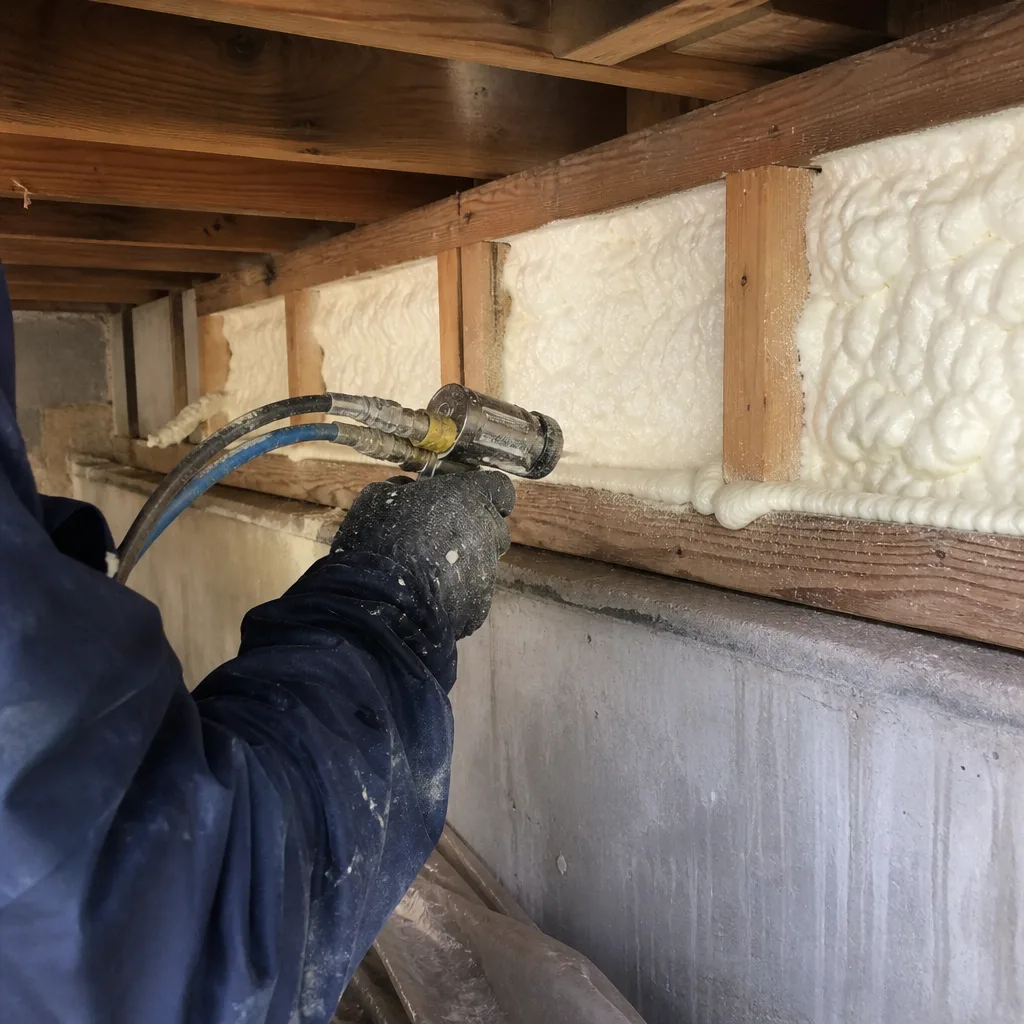
Woolsey Insulation San Jose is an independent insulation contractor. We’re not affiliated with Johns Manville, but we work with their material every week and know how it performs in San Jose’s specific climate, from the dry summer heat to the damp winter mornings.
Which Johns Manville Models This Applies To
Johns Manville makes three main attic insulation lines that show up in San Jose homes: the ComfortTherm batts (the ones wrapped in plastic, which you’ll see in a lot of 1980s and 1990s construction), the JM Attic Protector blown-in fiberglass, and the Climate Pro batts that are common in newer builds downtown and in the Cambrian area. Each has a different way of failing, which we cover below.
To identify what you have, look for the facing: ComfortTherm has a white or kraft paper face with black printing, while Climate Pro is unfaced and sometimes has a light pink or yellow tint. The blown-in Attic Protector settles over time, and the label on the attic floor joist usually tells you the original install depth. When we quote a replacement, we measure the current settled depth with a ruler, not a guess. The OEM-versus-aftermarket question for Johns Manville is straightforward: for batts, OEM is worth it because the R-value per inch is verified batch to batch. For blown-in, equivalent third-party fiberglass performs nearly identically, but we default to Johns Manville unless the homeowner prefers something like Knauf or CertainTeed. We stock eight brands on our trucks, so the recommendation fits the attic, not what we happen to have loaded that day.
Signs Your Johns Manville Attic Insulation Is Failing
- Utility bills climb year over year with no change in usage. In San Jose, summer cooling is the biggest driver. When Johns Manville blown-in settles below its rated R-value, the attic stops holding back heat and your AC runs longer. We see this most often in Ranch-style homes near Willow Glen where original insulation dates back 20-plus years without a top-off.
- Fiberglass batts have pulled away from the ceiling drywall or fallen between joists. This is a ComfortTherm issue: the plastic facing traps moisture in San Jose’s humid winters, and over time the batt loses its friction fit. Gaps form at the edges, and conditioned air leaks into the attic through them. We find this pattern in, maybe, half of the older ComfortTherm attics we inspect.
- Rooms over the garage or at the end of the house are consistently 5-8 degrees off. That’s not a thermostat problem, it’s a perimeter insulation problem. The Johns Manville product at the edges of the attic, especially around eaves and over unconditioned spaces, has either been disturbed during a past repair or was never installed to the right depth in the first place.
- You see dark streaks or brown staining on the insulation surface. That’s dust and air movement, or worse, moisture. In San Jose, the pattern is usually visible around bathroom exhaust fans or recessed light fixtures where air moves from the house into the attic. The insulation itself hasn’t failed, but it’s doing zero work where the staining shows air has been blowing through it.
- Rodent damage or nesting signs in the attic. Johns Manville fiberglass is loose enough for rats and mice to tunnel through. If you see chewed material, droppings, or compression paths in the insulation, the effective R-value in those areas is effectively zero. We’ve seen this in West San Jose and around the Berryessa foothills where roof gaps let critters in.
Replacement Cost & What’s Included
In San Jose, a full Johns Manville attic insulation replacement runs between $1,400 and $3,800 for most single-family homes. The range is driven by three things: the square footage of the attic, whether we’re doing blown-in or batts, and how much old material needs to come out first. A straight top-off of blown-in over existing insulation runs on the lower end. Pulling out contaminated or moisture-damaged ComfortTherm batts and replacing with fresh Johns Manville Climate Pro runs higher.
You get a written price before any work begins. Not an estimate range, not a “we’ll see how it goes.” A written number. That’s the Kingswell Way, and it’s been the same since we started serving San Jose: say the price, show up in the arrival window, do the work, leave the attic cleaner than we found it, and put the guarantee in writing. Every installation is covered by our 365-Day Done Right Promise, which means if something isn’t right within a year, we come back and fix it at no charge.
DIY or Call Us?
You can safely inspect your own attic: measure the settled depth of blown-in, look for gaps between batts, check for staining. That’s all fine to do without hiring anyone. What we’d caution against is pulling up and re-laying old fiberglass batts yourself, especially ComfortTherm with the plastic facing. The facing can trap moisture against the drywall if you install it wrong-side-down, and in a San Jose winter that turns into a mold situation you won’t notice until it’s a bigger problem. The deeper work, air sealing around penetrations, running a blower for loose-fill, getting the R-value correct at the eaves, is where we’d recommend a trained crew. If you want us to take a look before you decide, call (669) 333-3579. We’ll send someone who knows Johns Manville product, not a generic handyman.
FAQs
Fiberglass batts typically last 20 to 30 years in San Jose if they stay dry and undisturbed, but blown-in Johns Manville can settle and lose R-value noticeably after about 15 years. The real-life answer in this climate is that most attics we inspect need a top-off or replacement right around the 20-year mark.
Yes, as long as the existing material is dry, free of mold, and hasn’t been contaminated by rodents or pest droppings. In that case, blowing fresh Johns Manville fiberglass over the old layer is the most cost-effective upgrade. If there’s moisture or contamination, the old material has to come out first, and we include that in the written price. Call (669) 333-3579 and we’ll tell you which situation you have after one attic inspection.
Most San Jose attics are done in a single day, four to six hours from setup to cleanup. Larger attics over 3,000 square feet, or jobs that include removing water-damaged material, may take a second day. We give you a real arrival window before the job, not a four-hour “somebody will be there” window.
We keep Johns Manville blown-in and the most common batt sizes loaded on our San Jose trucks, along with material from seven other brands including Knauf, Owens Corning, and Reflectix for radiant barriers. If your attic needs a less common Johns Manville product, we can typically have it within a couple business days.
If your Johns Manville attic insulation isn’t doing its job in San Jose, call Woolsey Insulation San Jose at (669) 333-3579 for a free estimate. You’ll get a live person on the phone, a written price before any work starts, and a crew that treats your attic like it’s their own. Get the R-value right, and the house does the rest of the work for you.
Written by Glenn Hartley, Owner, Woolsey Insulation San Jose at Woolsey Insulation San Jose, serving San Jose and nearby areas.