
Knauf Attic Insulation: The San Jose Owner’s Guide
Knauf attic insulation replacement in San Jose typically runs between $1,800 and $4,200 for a full attic, depending on square footage and the R-value you’re targeting, and most jobs finish in a single day. We stock Knauf batt and blown-in products on our trucks, so if you’ve discovered your existing insulation is compressed, water-damaged, or simply not doing its job, we can usually get you on the schedule within 48 hours. The way most San Jose homeowners find out their Knauf insulation has failed is subtle: a room that never used to feel drafty, a heating bill that keeps climbing, or an attic inspection that turns up matted, flattened fiberglass that’s lost the air pockets that made it work.
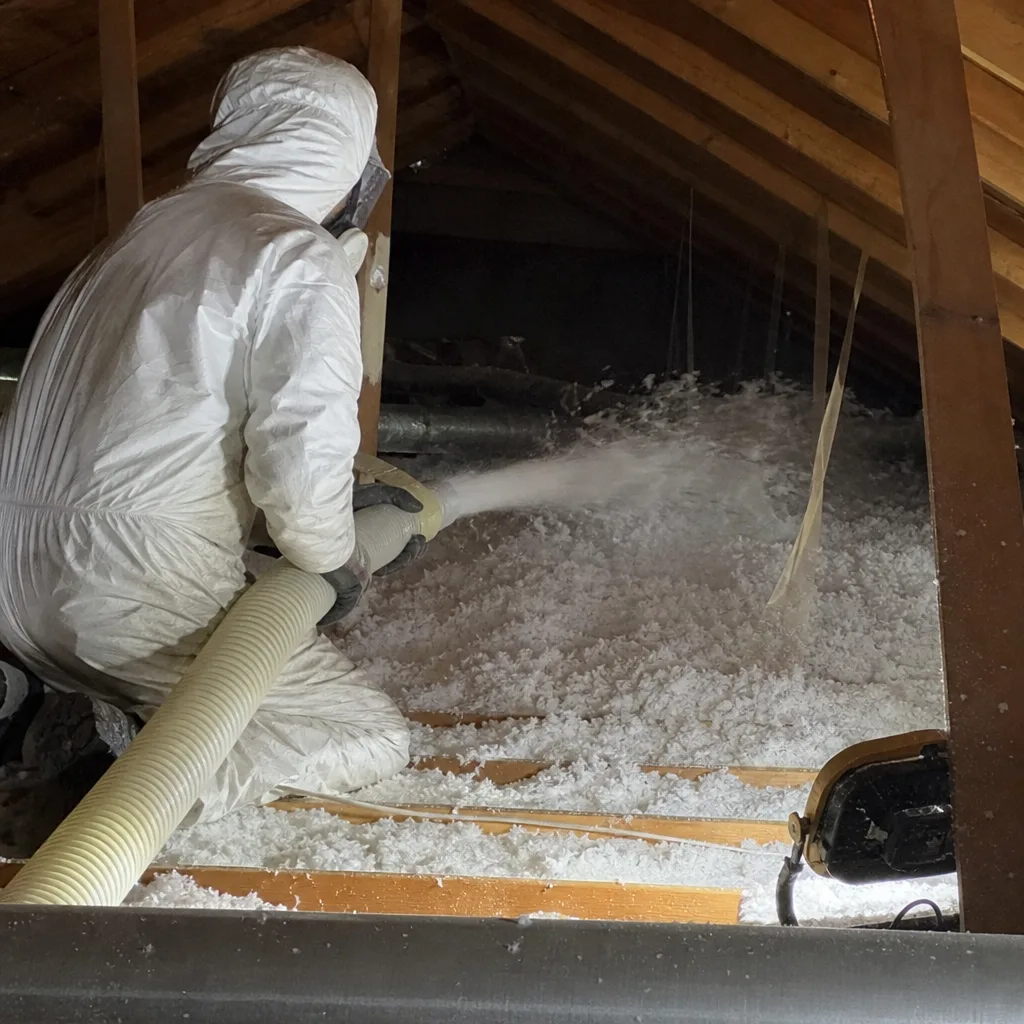
Knauf makes solid insulation. But even good fiberglass eventually gives up in a California attic if the conditions turn against it. We see it out here in neighborhoods from Willow Glen to Evergreen: bats that got walked on during a roof repair, blown-in that’s settled below the joists after years of heat cycling, or insulation that’s been soaked by a leaking roof vent and never dried out. The fix isn’t always a full replacement, but you need someone to look at it honestly before you spend a dollar.
We’re an independent insulation contractor in San Jose, not a Knauf dealer or factory affiliate. That means we tell you what’s actually wrong and what actually needs to happen, including when a lesser repair will hold for another five years.
Which Knauf Models This Applies To
Knauf’s attic insulation line falls into two broad buckets: fiberglass batts (sold under names like Knauf Insulation R-30 and R-38 in the ECOBATT and ComfortTherm series) and loose-fill blown-in fiberglass (the Jet Stream and Insulation Grade series). The blown-in stuff comes in compressed bags and gets fluffed through a machine at the attic hatch. The batts come pre-cut to standard joist spacing: 15 inches for 2×4 framing, 23 inches for 2×6, and they’re labeled with the R-value right on the facing.
Here’s the compatibility gotcha that gets a lot of San Jose homeowners: Knauf batts designed for 2×4 walls are not the same as attic batts. Attic batts are thicker and rated for higher R-values, usually R-30 to R-60 depending on how deep your joists run. If someone shoved wall batts into your attic to save money, that’s a problem, and it’s one Glenn Hartley spots in about ten seconds from the hatch opening. The fiberglass density is different, the width is different, and the R-value is wrong for the space.
For blown-in, the thing to know is that achieving a specific R-value means hitting a specific installed depth. R-38 in blown-in Knauf fiberglass needs roughly 14 inches of settled material. We’ve measured attics in San Jose where someone blew in 8 inches and called it R-38. It wasn’t. Fiberglass only insulates when it’s at the depth the bag specifies. Half the bag, half the R-value, and the difference shows up on your PG&E bill every single month.
As for OEM versus aftermarket: with Knauf, the material itself is the part. There’s no moving component to match, just the right R-value, the right material type, and the right installation method. We use Knauf products when the job calls for them, and we also work with seven other manufacturers, Owens Corning, Johns Manville, Rockwool, CertainTeed, Icynene, Demilec, and GreenFiber, so if your attic would be better served by switching materials, we’ll tell you that instead of forcing what’s on the truck.
Signs Your Knauf Attic Insulation Is Failing
- Rooms below the attic are noticeably hotter in summer even with the AC running. This is the classic California symptom. Fiberglass loses its loft over time, especially in the type of heat San Jose attics see from June through September. When the air pockets collapse, heat pours through the ceiling and your cooling system fights a losing battle.
- Your energy bills have climbed year over year without a change in rates or usage. Insulation doesn’t fail overnight. It degrades slowly, and the first place you see it is on the utility bill. If you’re paying more to keep the same temperature, something above your ceiling is underperforming.
- The insulation looks matted, compressed, or flattened when you peer into the attic. Fiberglass works by trapping air. When the material is compressed, whether from roof work, storage boxes, or simple age, it stops trapping air. Batts should stand tall and fluffy. If yours look like a pancake, the R-value is gone.
- You can see joists poking through the blown-in insulation. In a properly insulated San Jose attic, you shouldn’t see the tops of your ceiling joists at all. If they’re visible, the blown-in material has settled below the level where it provides its rated R-value and needs to be topped up or replaced.
- There’s evidence of moisture: dark staining, a musty smell, or rusted roof nails. Wet fiberglass is dead fiberglass. A roof leak, a disconnected bathroom vent, or a failed attic fan can soak the insulation and ruin it permanently. Once it’s been wet, it mats down and won’t recover its insulating properties.
Replacement Cost & What’s Included
In San Jose, expect to pay between $1,800 and $4,200 for a full Knauf attic insulation replacement in a typical 1,200 to 2,000 square foot home. Smaller attics or simple top-offs run under $1,500. Larger homes or attics with complicated access, low headroom, or contamination from rodent activity push toward the higher end. Here’s the line-item breakdown:
| Job Component | Typical San Jose Range |
|---|---|
| Knauf blown-in fiberglass (R-38, 1,500 sq ft attic) | $1,200 – $1,800 |
| Knauf R-38 batts (1,500 sq ft attic) | $1,500 – $2,600 |
| Old insulation removal (water-damaged or rodent-contaminated) | $600 – $1,400 |
| Air sealing (can lights, top plates, hatch) | $400 – $900 |
| Attic hatch insulation and weatherstripping | $150 – $350 |
Every quote we hand you in San Jose is a written price, delivered before any work starts, with no changes at the door. That’s the Kingswell way, and it’s not negotiable. The price includes the material, the labor, the cleanup, and the written 365-day guarantee. If anything about that job isn’t right within a year, we come back and fix it at no charge. That’s in writing, on every single job, and a second visit is free if the work fails.
DIY or Call Us?
We’ll be straight with you. Nobody on our crew is going to tell you that rolling out a few batts is surgery. If you have good attic access, flat joists, and no existing contamination to remove, adding a layer of Knauf batts is something a careful homeowner can do on a Saturday. The same goes for small top-offs with blown-in: most home centers rent the machine, and the process is straightforward.
What we will tell you is where DIY tends to go wrong, because we’ve cleaned up the aftermath in San Jose more times than we can count. Compressing the batts by kneeling on them destroys the R-value. Missing the air leaks around can lights and plumbing penetrations means you get nicely insulated attic air circulating through your house while the gaps still leak heat. Stepping off the joists and putting a foot through the ceiling is more common than anyone wants to admit. And if you’ve got old, water-damaged material that needs full removal, that’s a respirator, containment, and disposal job. Fiberglass in the lungs is not something you want once.
If anything about the job gives you pause, call us at (669) 333-3579. We’ll come out, look at what you’ve got, and tell you honestly whether it’s a Saturday project or a professional job. Estimates are free, and we won’t sell you work you don’t need.
Frequently Asked Questions
Knauf fiberglass attic insulation should last 30 to 50 years in a San Jose attic if it stays dry and undisturbed, but real-world conditions, roof leaks, construction traffic, fluctuating attic temperatures, and rodents, can cut that dramatically. We’ve replaced Knauf batts in 15-year-old San Jose homes that were ruined by a single winter’s worth of roof leaks, and we’ve seen 40-year-old blown-in that was still doing its job because the attic was bone dry and nobody had ever touched it. The R-value is the thing to watch; when the material no longer meets its rated spec, it’s done.
Yes, in many cases. If your Knauf blown-in insulation has simply settled, we can top it off to the correct depth for its rated R-value, which is far less expensive than a full replacement. If only a section of batts is damaged, we can replace just that section. Full replacement is only necessary when the insulation is soaked, rodent-compromised, or so degraded that patching wouldn’t bring the attic to a consistent R-value. Call (669) 333-3579 and we’ll tell you which situation you’re in, with a written price either way.
Most Knauf attic insulation replacements in San Jose take one day, start to finish. A typical 1,500 square foot attic, whether blown-in or batts, goes in between 8 AM and 4 PM with a two- or three-person crew. Jobs that include full removal of old material or extensive air sealing can stretch to two days. We’ll give you a committed arrival window before the job and a written guarantee when we leave.
We stock Knauf batt and blown-in products on our trucks for most standard R-values, which means same-day or next-day installation is usually available for San Jose homeowners. For less common specs or larger jobs, we can typically have material in hand within two or three days. We also stock Reflectix radiant barrier products and fiberglass from seven other manufacturers, so if Knauf isn’t the right fit for your attic, we’ll tell you and offer alternatives that are.
Written by Glenn Hartley, Owner, Woolsey Insulation San Jose at Woolsey Insulation San Jose, serving San Jose and nearby areas.