
Rockwool Crawl Space Encapsulation: The San Jose Owner’s Guide
Rockwool crawl space encapsulation in San Jose typically runs between $2,400 and $5,800 installed, depending on square footage, access clearance, and whether we’re replacing failed material or starting fresh. We stock Rockwool-compatible encapsulation materials on our trucks and can usually start within 48 hours. Most San Jose homeowners discover a problem the same way: a musty smell drifting up through the floorboards, or an energy bill that climbed for no obvious reason. You put Rockwool in because it resists moisture, fire, and pests better than fiberglass. When the encapsulation layer around it fails, the Rockwool itself is usually still fine. The vapor barrier, the seam tape, the fasteners, the drainage mat: that’s where crawl space systems break down first.
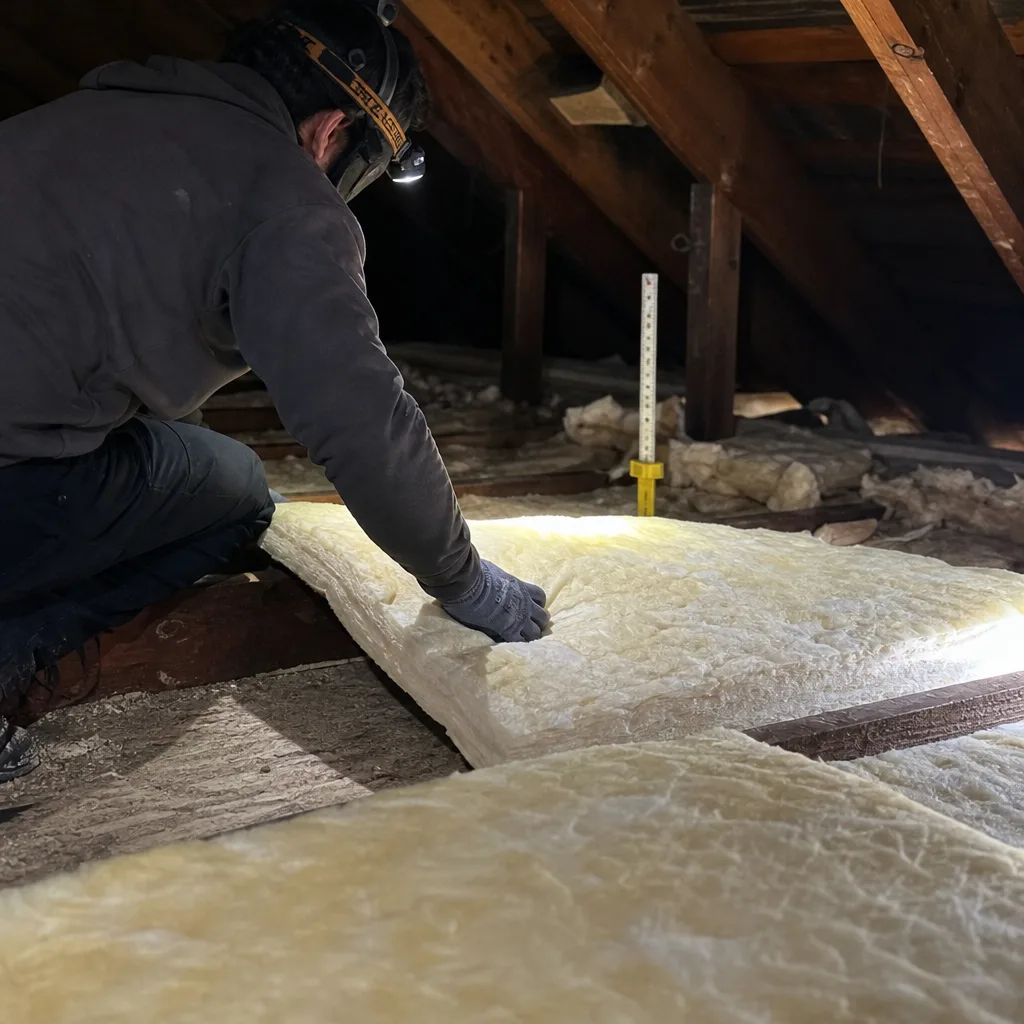
Which Rockwool Models This Applies To
If your crawl space has Rockwool ComfortBatt, Safe’n’Sound, or the older Roxul AFB line installed between floor joists, the encapsulation system we install is designed to work with all three. The compatibility question isn’t really about the Rockwool itself. It’s about the vapor barrier and attachment method. Rockwool’s stone wool structure means it won’t wick moisture the way fiberglass batts do, but if the polyethylene liner above or below it tears, groundwater vapor gets around the insulation and condenses on your subfloor anyway.
Here’s the gotcha we see in San Jose homes built before 1990: the original liner was often 6-mil polyethylene, stapled directly to the joists. That thin plastic breaks down within 10 to 15 years in our climate. We replace it with 12-mil reinforced poly or a dedicated crawl space liner. The thicker material isn’t an upsell; it’s a completely different lifespan. 6-mil tears when a plumber slides through. 12-mil holds up. When you’re looking at failed material in your own crawl space, check the label printed on the liner. If it says “6 mil” anywhere, that’s your answer for why it failed.
We’re an independent installer, not affiliated with Rockwool. We stock Rockwool products because they perform well in under-floor applications where moisture and fire resistance actually matter. We also carry Reflectix for radiant barrier applications on request.
Signs Your Rockwool Crawl Space Encapsulation Is Failing
- Musty or earthy smell in the living space above. Water vapor is getting past the liner and saturating the air in the crawl space. Rockwool won’t rot, but your floor joists will, and the smell comes from that microbial growth.
- Sagging or drooping liner material. This means the fasteners have pulled loose, usually because the liner was never mechanically attached with proper pins and washers. Gravity and humidity do the rest. Once the liner sags, it creates a gap at the top and vapor gets through.
- Visible condensation on the underside of the subfloor. Warm conditioned air from your living space meets the cooler crawl space air. If the liner is doing its job, that condensation forms on the liner, not on your wood. Condensation on wood means the barrier is compromised.
- Higher humidity in the house, especially during San Jose’s wet winter months. Your HVAC system works harder. You might notice doors sticking or hardwood floors cupping. The crawl space isn’t sealed anymore.
- Pest activity under the house. Rats and mice chew through compromised liners. Once there’s an opening, they nest in the Rockwool itself (it doesn’t kill them, just resists their nesting long-term less than fiberglass). You’ll see droppings or hear scratching.
Replacement Cost & What’s Included
For most San Jose crawl spaces between 800 and 1,500 square feet, a full Rockwool crawl space encapsulation job lands between $2,400 and $5,800. The spread comes down to three things: access (a 24-inch clearance takes longer than a 36-inch one), how much existing Rockwool needs to be temporarily removed and reinstalled, and whether we’re adding a drainage mat or sump pump to handle active groundwater. We write the price before any work starts, and that written number doesn’t change at the door. Every job gets our 365-Day Done Right Promise in writing: if the encapsulation fails within a year, we come back and fix it at no charge. You’ll also get a written guarantee on the materials and our labor.
| Scope | Typical San Jose Price Range |
|---|---|
| Liner replacement only (existing Rockwool left in place) | $1,200 – $2,400 |
| Full encapsulation with 12-mil reinforced liner | $2,400 – $4,200 |
| Full encapsulation plus drainage mat or vapor barrier upgrade | $3,800 – $5,800 |
| Rim joist sealing added to any of the above | $600 – $1,200 |
Every estimate is free, and it includes a crawl space inspection with photos so you can see exactly what we’re seeing. Glenn Hartley’s crew has been doing this work in San Jose long enough to know which older neighborhoods have the worst moisture problems. Willow Glen and the Rose Garden area come up often, mostly because those homes sit closer to the water table and the original liners were always too thin.
DIY or Call Us?
You can safely check three things yourself: the thickness of your current liner (look for the mil rating printed on it), whether the liner sags anywhere, and whether there’s any standing water. That’s diagnosis, not repair. Full encapsulation work in a San Jose crawl space means working on your back in a dark, damp, confined space, often around electrical wiring and plumbing. The knife work alone is dangerous in tight quarters, and seam tape that isn’t applied perfectly won’t hold. We use the right seam tape, the right fasteners, and we pull the liner tight before any tape goes down. Get the R-value right, and the house does the rest of the work for you. The liner is what protects that R-value from moisture. If you’re not sure, call (669) 333-3579. Glenn or a live person answers, day or night.
FAQs
A properly installed 12-mil reinforced liner with sealed seams typically lasts 15 to 25 years in San Jose’s climate. The original 6-mil liners in older homes often failed within a decade. San Jose’s wet winters and dry summers create expansion and contraction cycles that test every seam, so the installation detail matters more than the material’s rated lifespan.
Small tears less than a few inches long can sometimes be patched and re-taped, and we’ll tell you if that’s the honest answer. But once the liner has pulled loose from the fasteners in more than a few spots, or if the seams are separating, a patch job just delays the full replacement by a year or two. We’d rather give you a real fix than sell you the same problem twice.
Most San Jose crawl space encapsulation jobs take one to two days. A smaller liner replacement with existing Rockwool left in place can often be done in a single day. We’ll give you a committed arrival window and leave the job site cleaner than we found it.
Yes. Our trucks carry 12-mil reinforced liner, seam tape, mechanical fasteners, and Rockwool batts in common sizes. If your job needs something specific like a drainage mat, we’ll have it ordered before the scheduled start date so there’s no delay. Call (669) 333-3579 and we’ll confirm what’s needed and give you a written price before any work begins.
If your crawl space encapsulation has failed or you’re seeing the warning signs we described, call us at (669) 333-3579. We’ll answer the phone, schedule a free inspection, and give you a written price before any work starts. That’s how we do business in San Jose, and it’s been working for us since 2002.
Written by Glenn Hartley, Owner, Woolsey Insulation San Jose at Woolsey Insulation San Jose, serving San Jose and nearby areas.